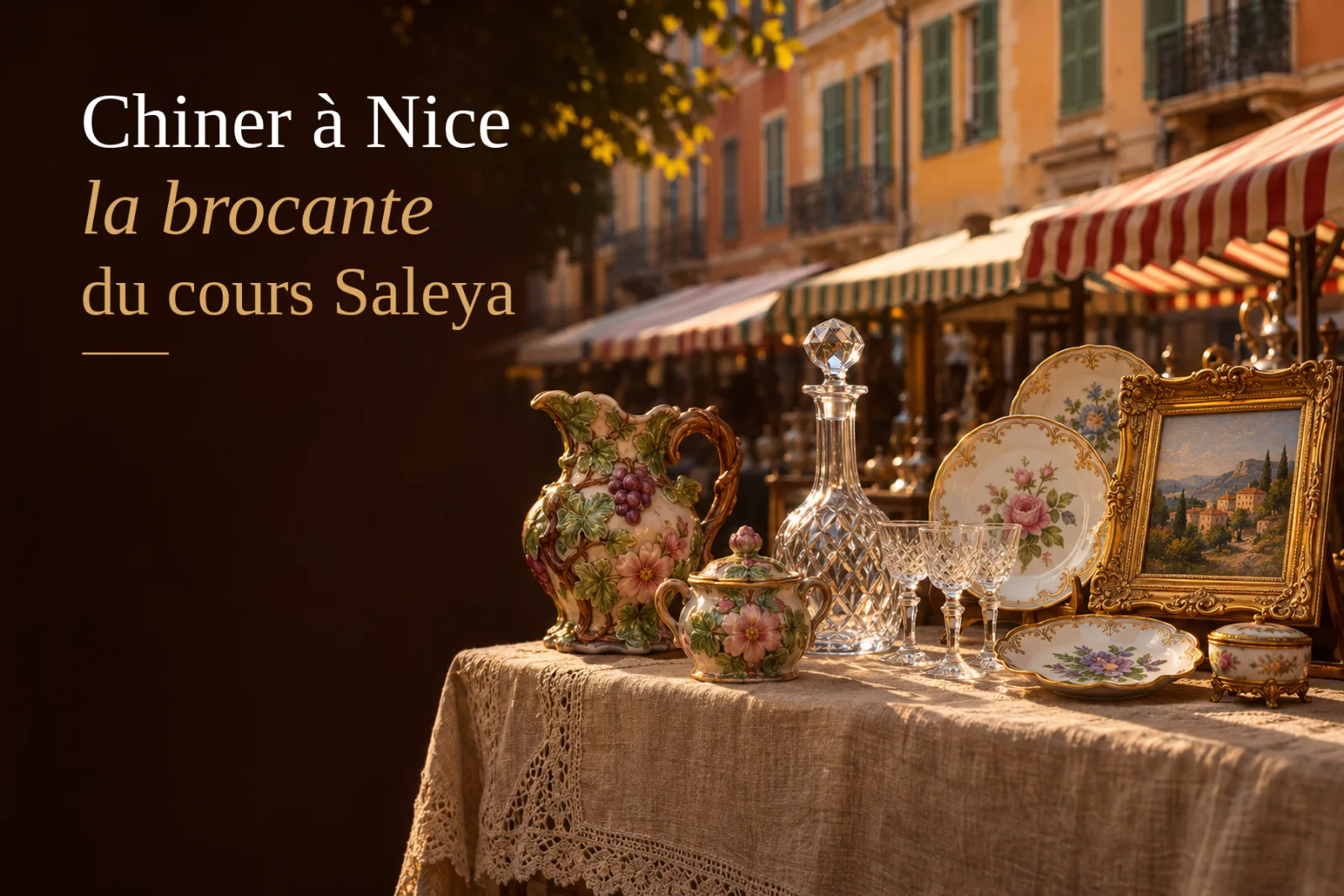
For antique hunting in Nice, the must-visit event is the Monday flea and antiques market on the cours Saleya, in the heart of Old Nice: according to the Nice Côte d’Azur tourist office, it is held all year round, every Monday from 7 am to 6 pm, and brings together nearly 180 antique and second-hand dealers. Come early, carry some cash, bargain politely and look at every piece in daylight. The rest of the week, the antiques quarter near the port and the markets of Cannes, Antibes and Villefranche-sur-Mer keep the treasure hunt going along the Côte d’Azur.
The cours Saleya flea market, on Mondays in Old Nice
The cours Saleya is the main pedestrian street of Old Nice (Vieux-Nice). It runs parallel to the quai des États-Unis, a stone’s throw from the sea, between the colourful façades of the old town and the old terraces. The market here has a long history: Wikipedia notes that on 22 July 1861 the town council approved the first flower, fruit and vegetable market on the Cours.
From Tuesday to Sunday, the cours Saleya belongs to flowers and fresh produce. On Mondays the scene changes: as the tourist office puts it, the flower stalls make way for second-hand dealers, and antiques and curiosities draw bargain hunters. The market covers the cours Saleya and place Pierre-Gautier. The tourist office also states that on the third Saturday of every month, the cours Saleya flea market also sets up on place Garibaldi.
The days and times given here are those published by the tourist office: they may change, especially in bad weather, on public holidays or during events in town. Check them before you come.
What you will find on the stalls
The Monday market mixes professional dealers, antique dealers and second-hand sellers, and what is on offer changes from week to week. You will come across everything, from small curiosities to pieces of real character:
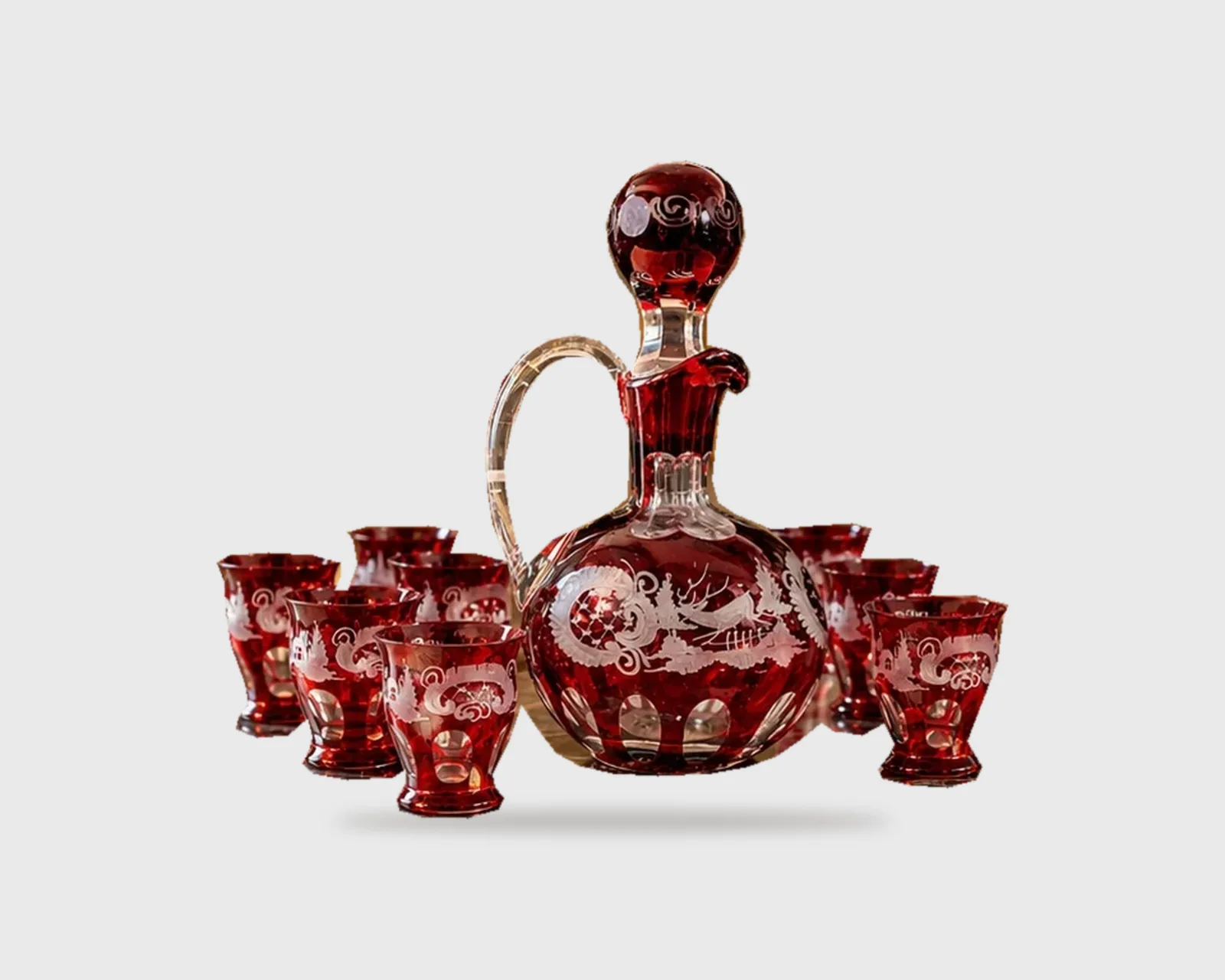
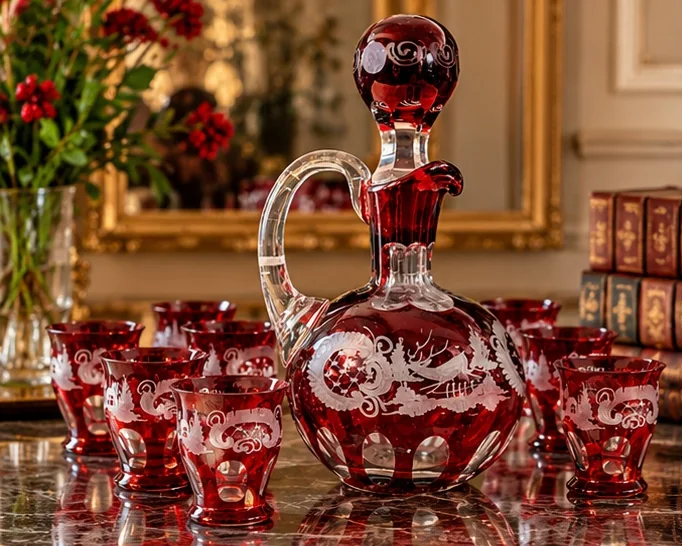
- tableware: Limoges porcelain plates, Gien or Provençal faience, silver-plated cutlery, crystal decanters and glasses;
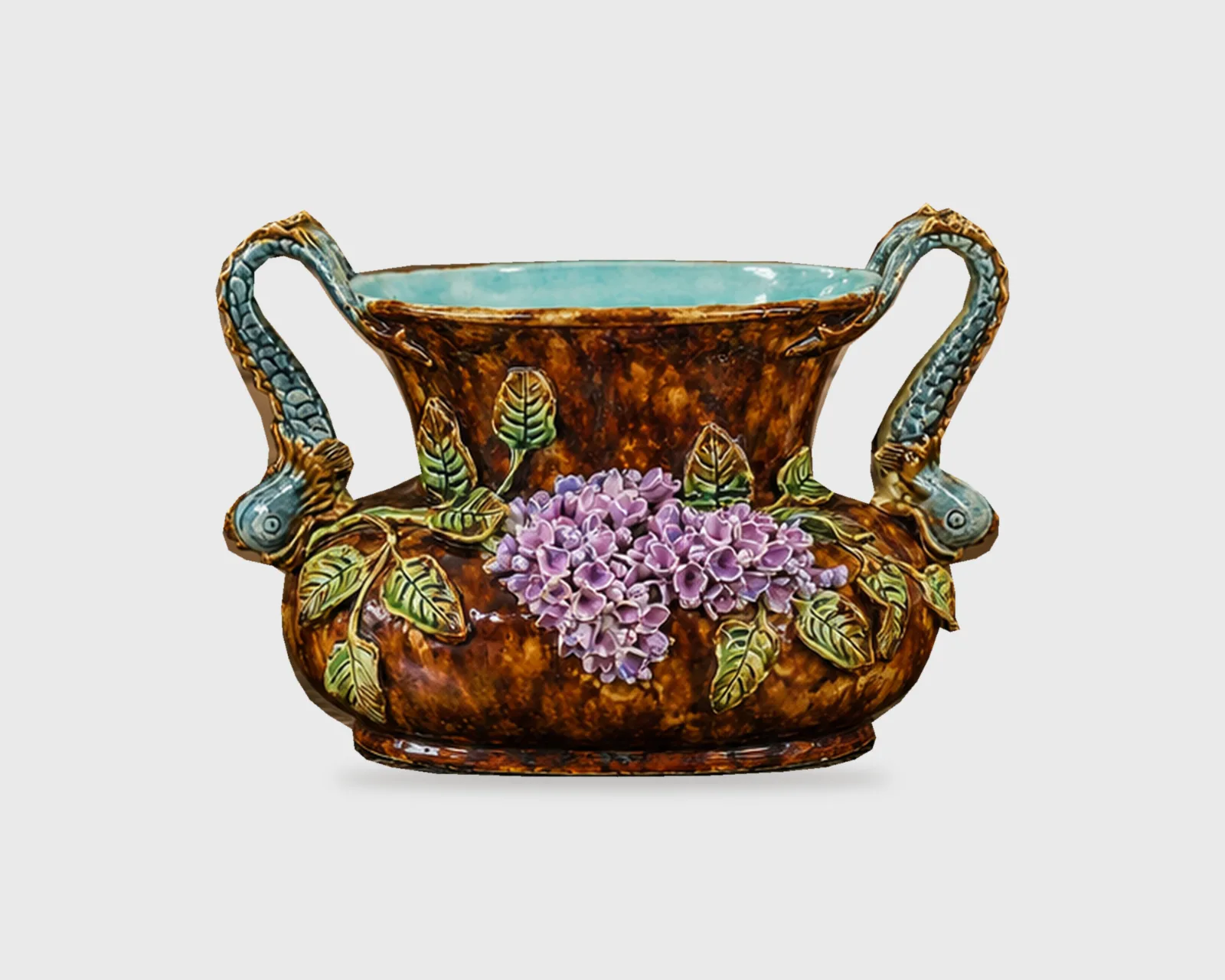
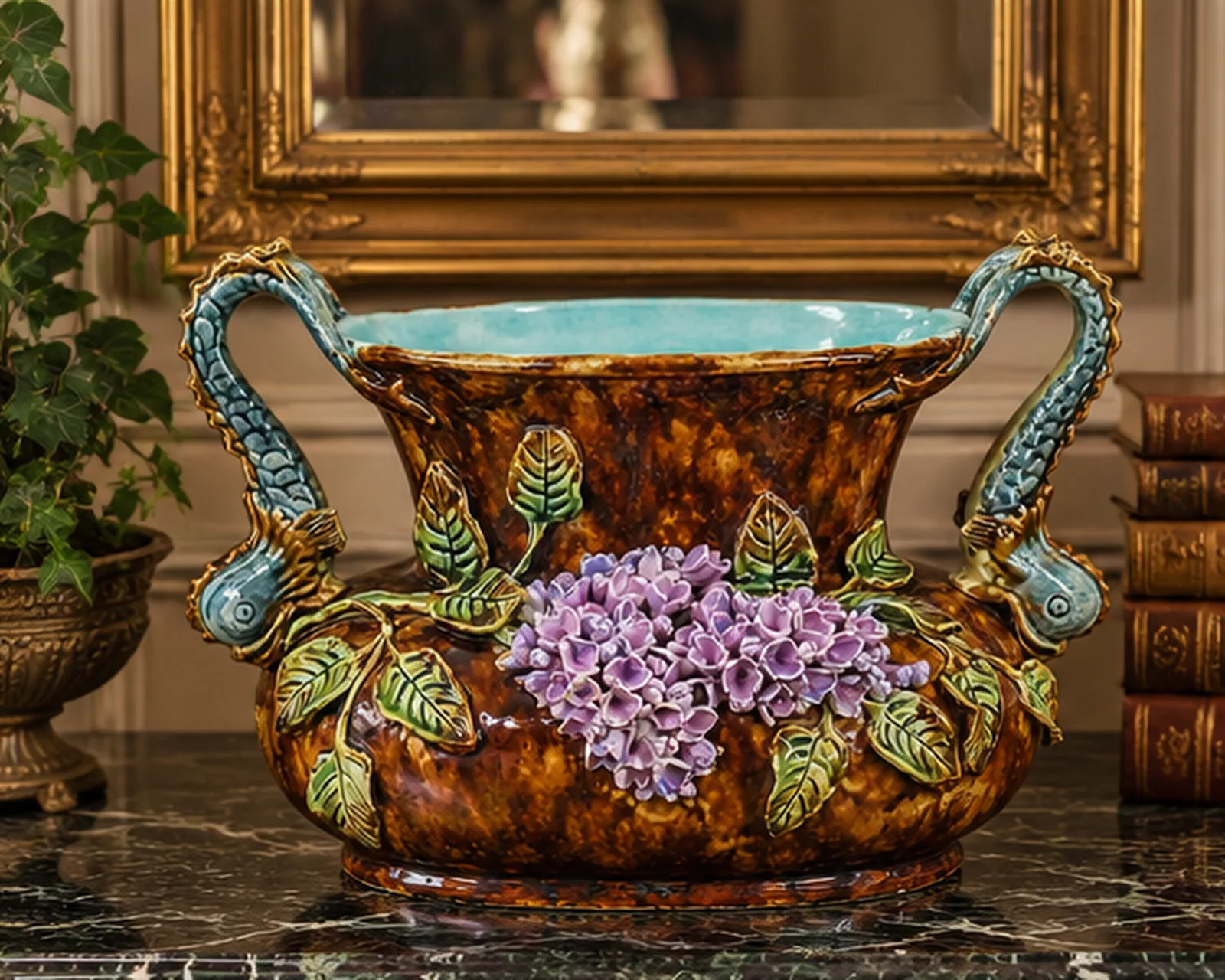
- decorative arts: vases, candlesticks, mirrors, lamps, majolica (barbotine) ceramics, clocks, small bronzes;
- paintings and prints: landscapes, seascapes and views of the Riviera, often without a famous signature but full of charm;
- display-case objects: antique jewellery, watches, boxes, scent bottles, postcards and old papers;
- linen and fashion: lace, embroidered tablecloths, vintage bags and accessories;
- small furniture: chairs, side tables, consoles, frames.
For a first overview, the tourist office’s guide “Explorer la brocante à Nice” (in French) presents the main places in town.
Our practical tips for the cours Saleya
Come early. The best pieces often go during the morning, sometimes while the stalls are still being set out. Arriving at opening time means seeing the stands complete and enjoying a softer light, before the midday crowds.
Bring cash, and ask about cards. Every dealer has their own habits: some take bank cards, others do not. Having some cash on you means you will not miss out on a find, and it makes small purchases easier. For a more important piece, simply ask the dealer which payment methods they accept and whether they can give you an invoice.
Bargain politely. Discussing the price is part of the flea-market game, as long as you stay courteous. Say hello, show interest in the object, ask about its origin, then suggest a reasonable price. An offer that is too low offends more than it convinces; buying several items from the same stall is often the best way to get a discount. And once a price is accepted, the deal is done: you do not go back on your word.
Check the condition before paying. Pick the object up, with the dealer’s permission, and look at it from every side: chips, cracks, restorations, missing parts, traces of glue. We list below the points to check.
Think about transport as soon as you buy. A box, newspaper or a cloth is enough for a small piece of porcelain; for a vase, a decanter or a mirror, ask the dealer to wrap it carefully, or bring a sturdy bag and something to protect your finds. A piece of furniture cannot be carried on foot through the alleys of Old Nice: ask the dealer whether they can keep it for later collection or know a carrier.
Spotting a good piece quickly
At a flea market, you only have a few minutes to make up your mind. A few reflexes help you sort things out.
- Look underneath. Under a plate, a vase or a figurine, the factory mark, the decoration and the wear on the foot tell you a great deal. For porcelain, our guide to Limoges porcelain: marks and dating helps you read these marks.
- Listen to the glass. Crystal stands out for its weight, its clarity and the quality of its cutting. Our article glass or crystal: telling the difference explains the simple checks.
- Examine majolica closely. These brightly coloured ceramics in relief are common at markets and have often been copied. The clues are explained in how to recognise antique barbotine.
- Look for logical wear. An old piece wears where it is handled: under the foot, on the edges, around the handles. Wear that is uniform or in the wrong place should make you cautious.
- Spot restorations. Run a finger along the rim of a plate, look at the shine of a glaze against the light: an area that is duller or glossier may betray a repair or retouching. A restoration is not necessarily a deal-breaker, but it should be reflected in the price.
- Trust consistency. Style, material, weight and manufacture should all tell the same story. If something seems out of place, ask the dealer.
Once you have brought the object home, avoid vigorous cleaning: our advice on caring for antiques will help you preserve its patina.
Other good addresses for antique hunting in Nice
The Monday market is not the only chance to go hunting in town. The tourist office’s guide lists several places worth knowing.
- The antiques quarter. At the foot of Castle Hill, between Port Lympia and place Garibaldi, rue Antoine-Gautier, rue Emmanuel-Philibert and rue Catherine-Ségurane are home to many antique dealers. According to the tourist office, the quarter “sleeps” on Sundays: go on a weekday or a Saturday.
- The Village Ségurane. In the same quarter, a courtyard brings together, according to the tourist office, 36 small shops on two levels.
- Les Puces de Nice. On the quai Lunel, at the port, former fishermen’s huts house second-hand dealers; the tourist office gives their opening hours as Tuesday to Saturday, 10 am to 6 pm, to be checked before you come.
- The book and old paper market. On place du Palais, the tourist office mentions a book market on the 1st and 3rd Saturdays of the month, and a market for postcards, old papers and records on the 4th Saturday.
- Car-boot sales (vide-greniers). They take place throughout the year in different neighbourhoods, with no fixed day; check the online listings for dates.
Antique hunting elsewhere on the Côte d’Azur
A few kilometres from Nice, other regular markets are worth the trip. The days and times below come from listings published by tourist offices or local guides: they may change, and bad weather can lead to cancellation. Always check them before you set off.
- Cannes, Forville market. According to the Cannes tourist office, the covered Forville market hosts an antiques market every Monday, from 8 am to 5 pm, all year round.
- Antibes, place Nationale. The Côte d’Azur France listing announces a flea market on Thursdays and Saturdays, from 7.30 am to 6 pm, weather permitting, with porcelain, books, paintings, crystal and antiques.
- Villefranche-sur-Mer, jardin François-Binon. The Iconic Riviera guide lists an antiques and flea market on Sundays, next to the tourist office, facing the bay. Sources differ on how often it is held: check with the Villefranche tourist office before you come.
Other towns, such as Menton, Vence and Beaulieu-sur-Mer, also hold regular antiques markets: their tourist offices publish the calendar.
Bringing your finds home: fragile items and furniture
This is often the real question for visiting bargain hunters, whether they come from Paris, Milan or Turin: how do you bring back a crystal service or a chest of drawers without nasty surprises?
- Small fragile objects travel better in cabin baggage than in the hold. Wrap each piece separately, fill the gaps, protect projecting parts (handles, spouts, feet) and never let two pieces of porcelain touch.
- Glasses and crystal are protected one by one, filled with paper, then stored upright in a rigid box.
- Mirrors and framed pictures need corner protectors and rigid cardboard: the glass must not be able to move.
- Furniture calls for a carrier. Photograph the piece before it leaves, have the collection and delivery terms set out in writing, and make sure the insurance covers the real value of the piece.
Before any significant purchase, ask the dealer for an invoice describing the object: it will be useful for transport insurance, and later for the history of the piece.
Selennia, on the cours Saleya and online
Selennia, an antiques and art gallery based in Nice, has a stand on Mondays at the cours Saleya flea market. It is a chance to see our pieces up close and to talk with us about their history.
To save time, you can also browse all our pieces in the online gallery and reserve the one you like. A few typical examples of what we love to find at a flea market:
- a barbotine jardinière with dolphin handles;
- a Bohemian crystal liqueur set;
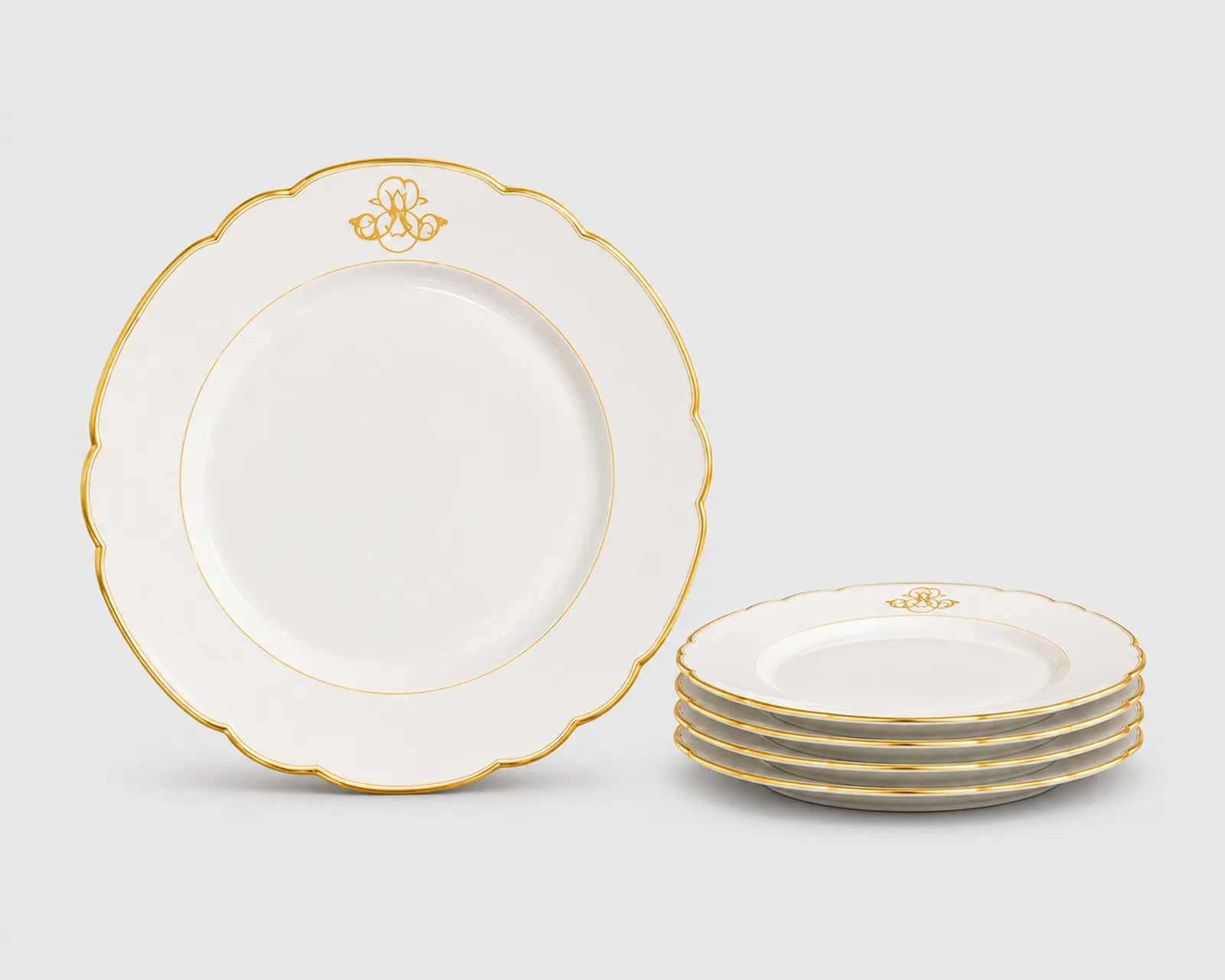
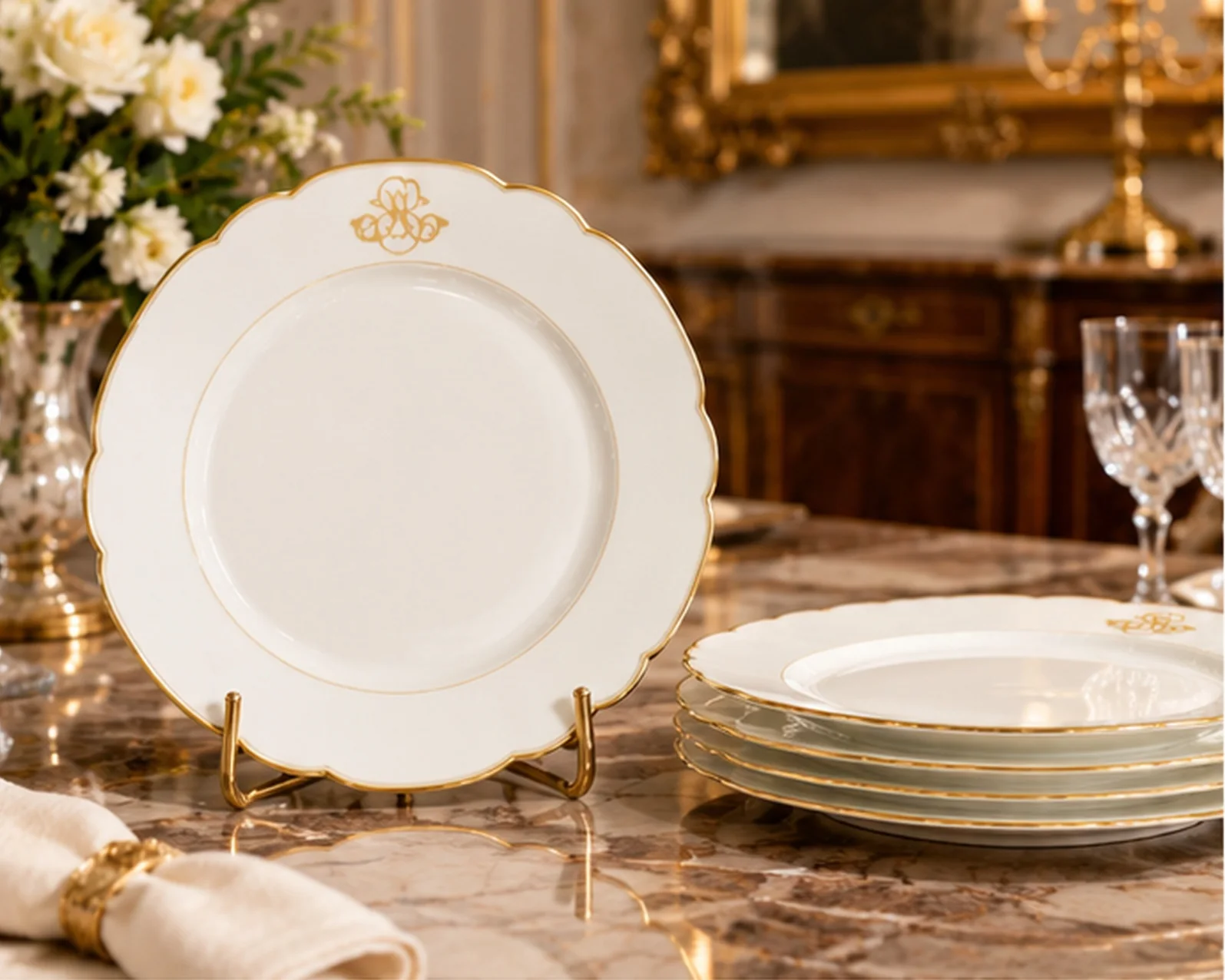
- a set of four Limoges plates with gilt rims;
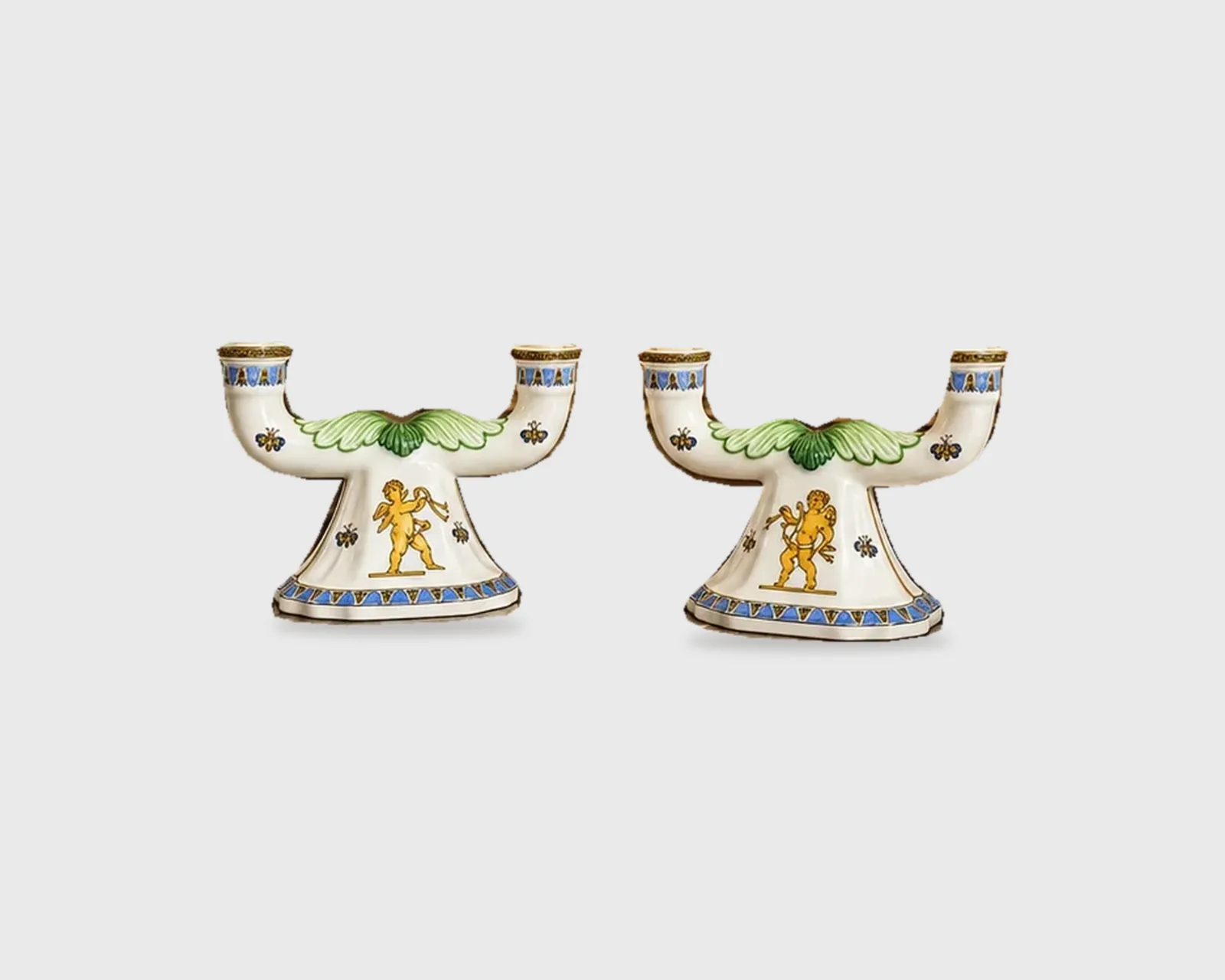
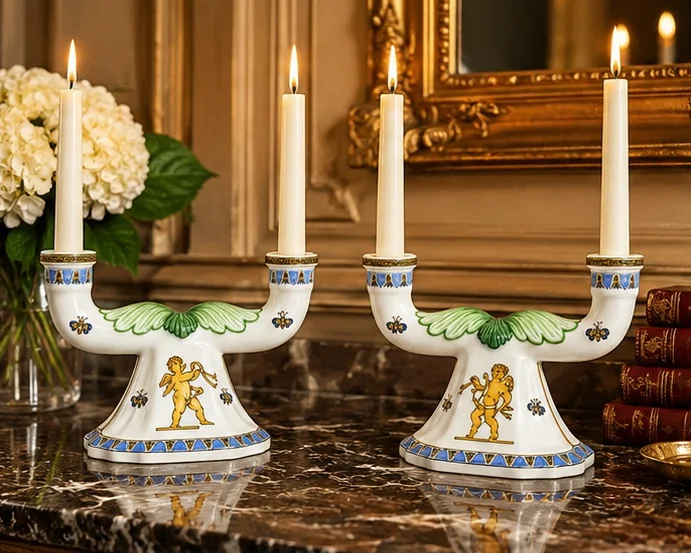
- a pair of Gien faience candlesticks;
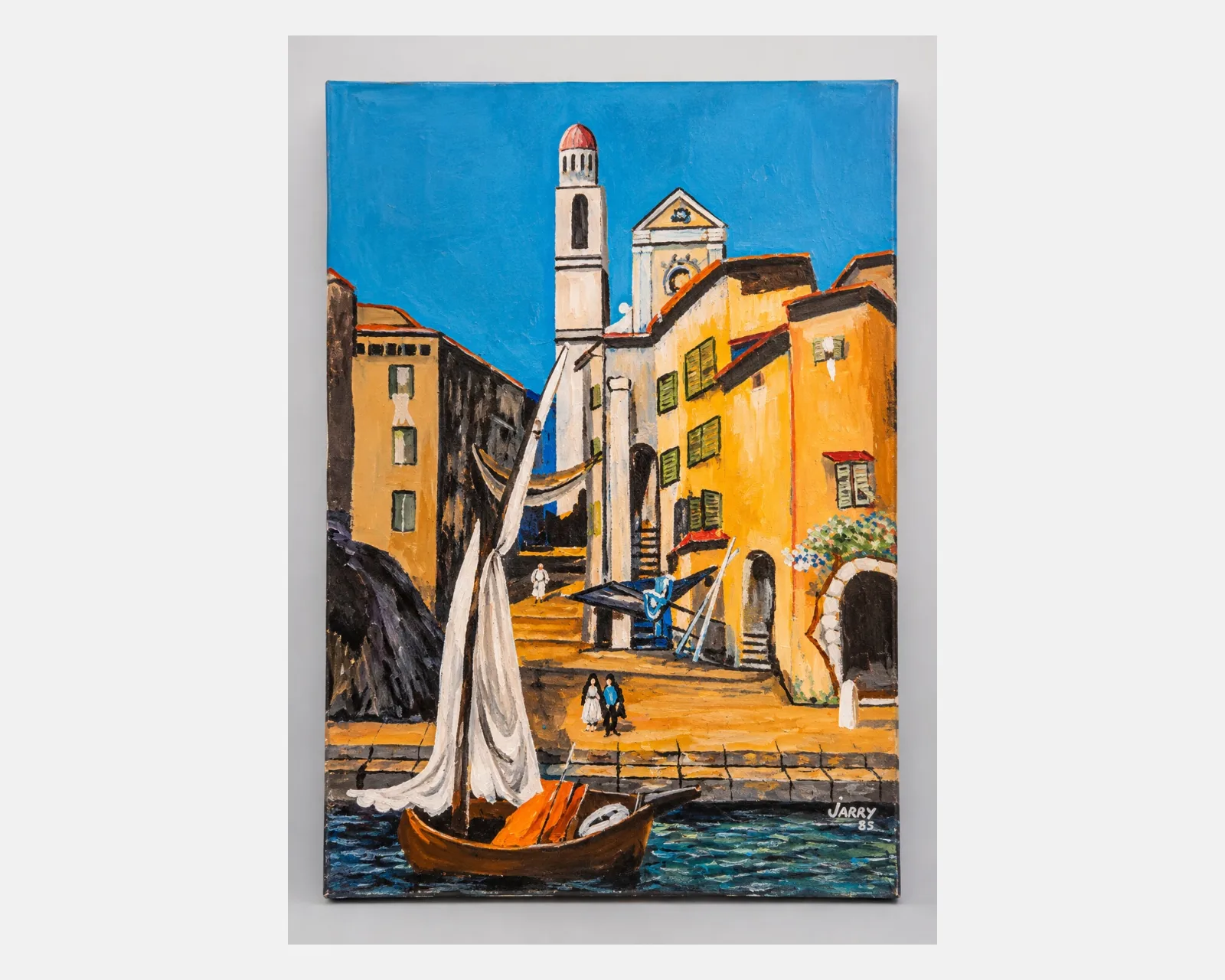
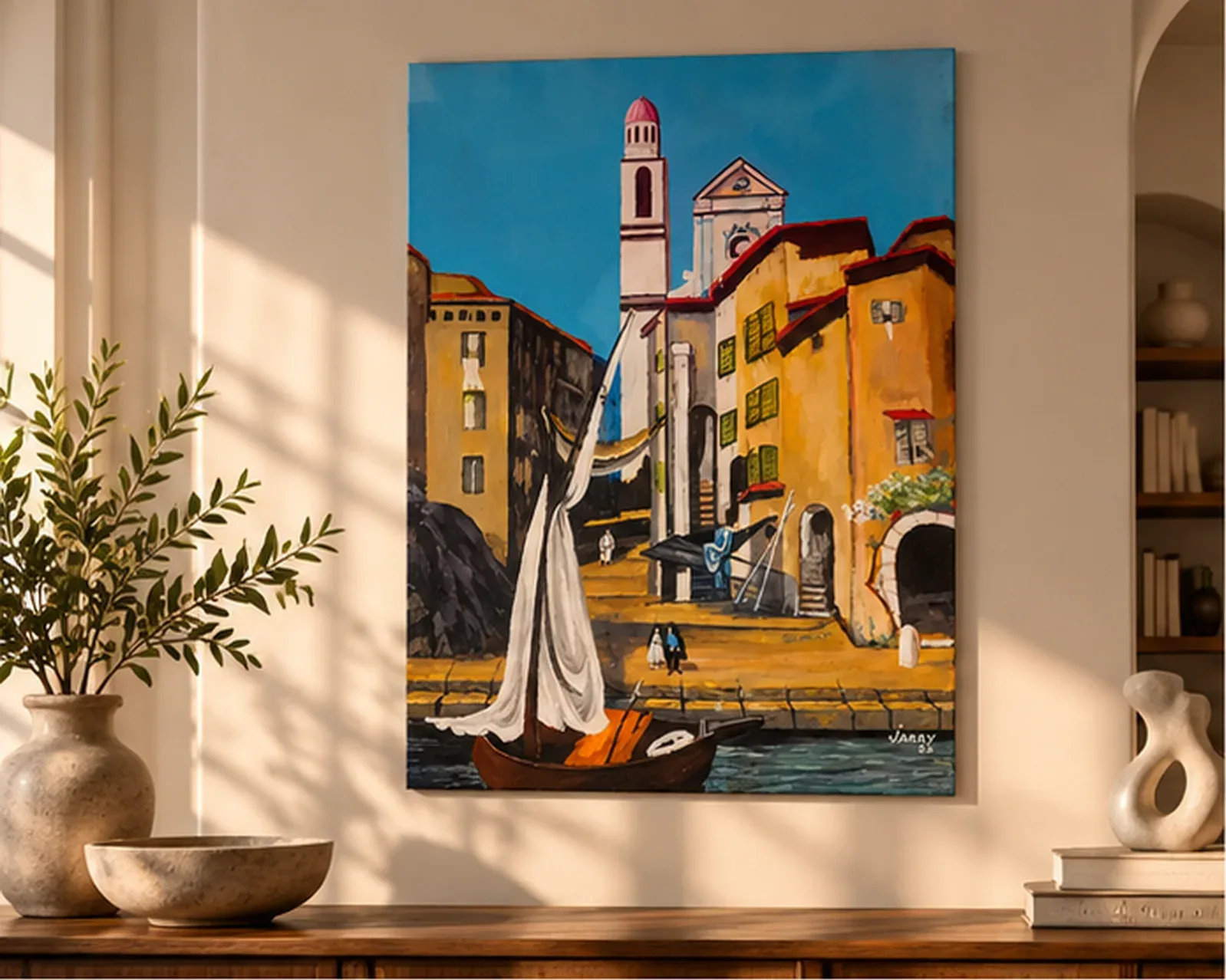
- and, as a souvenir of the Riviera, Michel Jarry’s Port of Villefranche.
The gallery welcomes visitors by appointment at 1 rue du Pont Vieux, Nice. Pick-up in Nice is free, and we offer insured delivery worldwide, to France, Italy and beyond. To book an appointment or ask about a piece, write to us from the contact page; to get to know us better, read about us.
Frequently asked questions
When is the cours Saleya flea market held? According to the Nice Côte d’Azur tourist office, every Monday, all year round, from 7 am to 6 pm, on the cours Saleya and place Pierre-Gautier. On the third Saturday of the month it also sets up on place Garibaldi. Check before you come, as times may change.
Can I pay by card at the market? It depends on each dealer. Bring some cash for small purchases, and ask the dealer about payment methods for a more important piece.
Is bargaining allowed? Yes, bargaining is part of flea-market custom, as long as you stay courteous and offer a reasonable price. Buying several items from the same stall often helps.
Where can I go antique hunting in Nice on a Sunday? The antiques quarter is fairly quiet on Sundays. Depending on the date, car-boot sales are held in town, and antiques markets take place in nearby towns such as Villefranche-sur-Mer: check their calendar with the tourist offices.
How can I get a piece of furniture bought in Nice delivered? Use a carrier experienced with antiques, with insurance for the real value and photos of the condition at departure. For pieces bought from Selennia, we arrange insured delivery worldwide, or free pick-up in Nice.
In short
Antique hunting in Nice starts with an early Monday at the cours Saleya flea market, then continues with a stroll through the antiques quarter near the port and the markets of the Côte d’Azur. Bring cash, take time to examine each object and think about transport before you pay. And if you prefer to spot your pieces in advance, our online gallery is waiting for you.