
The Journal
Culture and advice
Styles, materials, techniques and care of antique objects: what we learn while seeking, restoring and selling them.
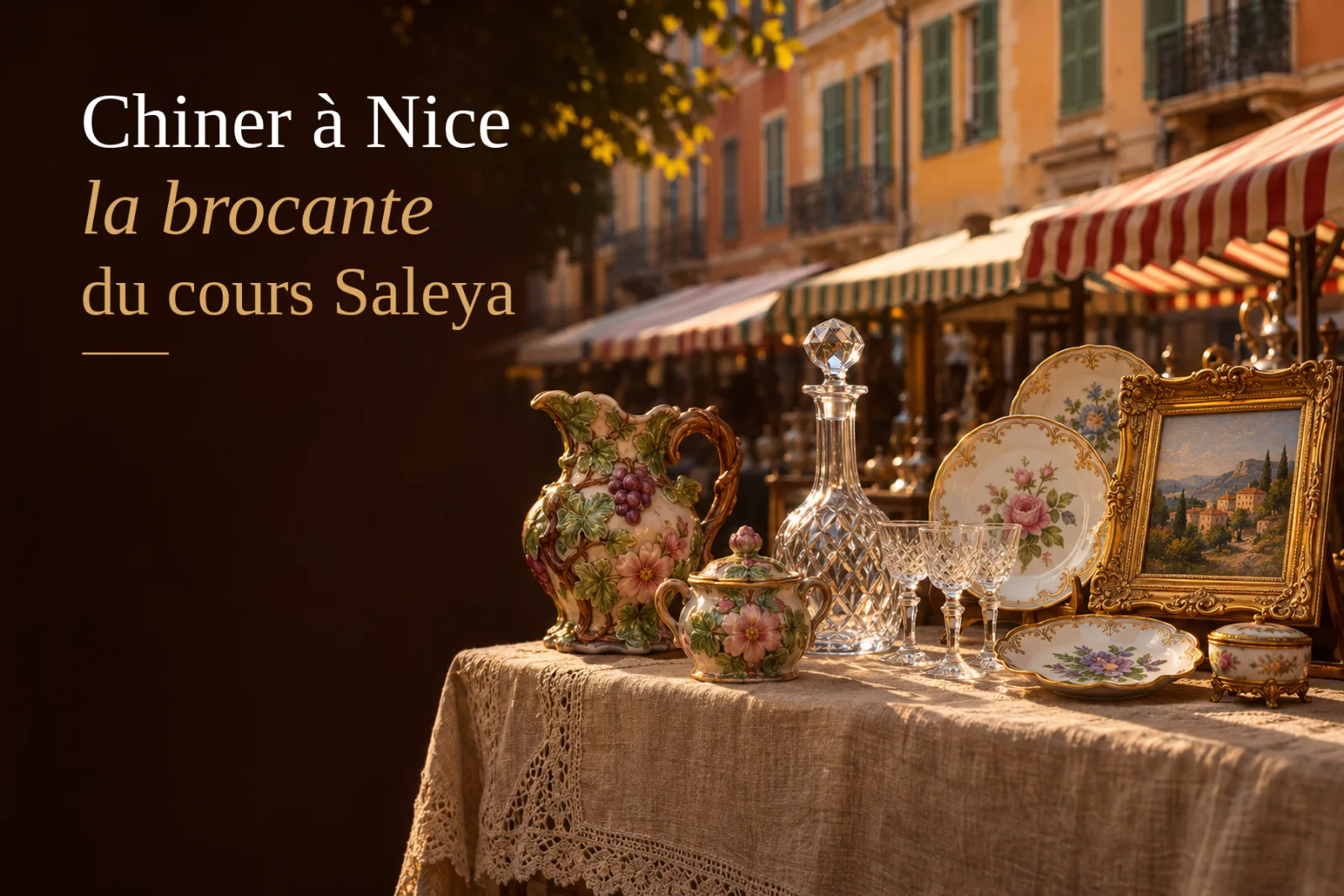 FeaturedAntique hunting in Nice: the cours Saleya flea market and best addressesAntique hunting in Nice: the Monday flea market on the cours Saleya, tips for buying well, other Côte d’Azur markets and how to get your finds home.Read the article
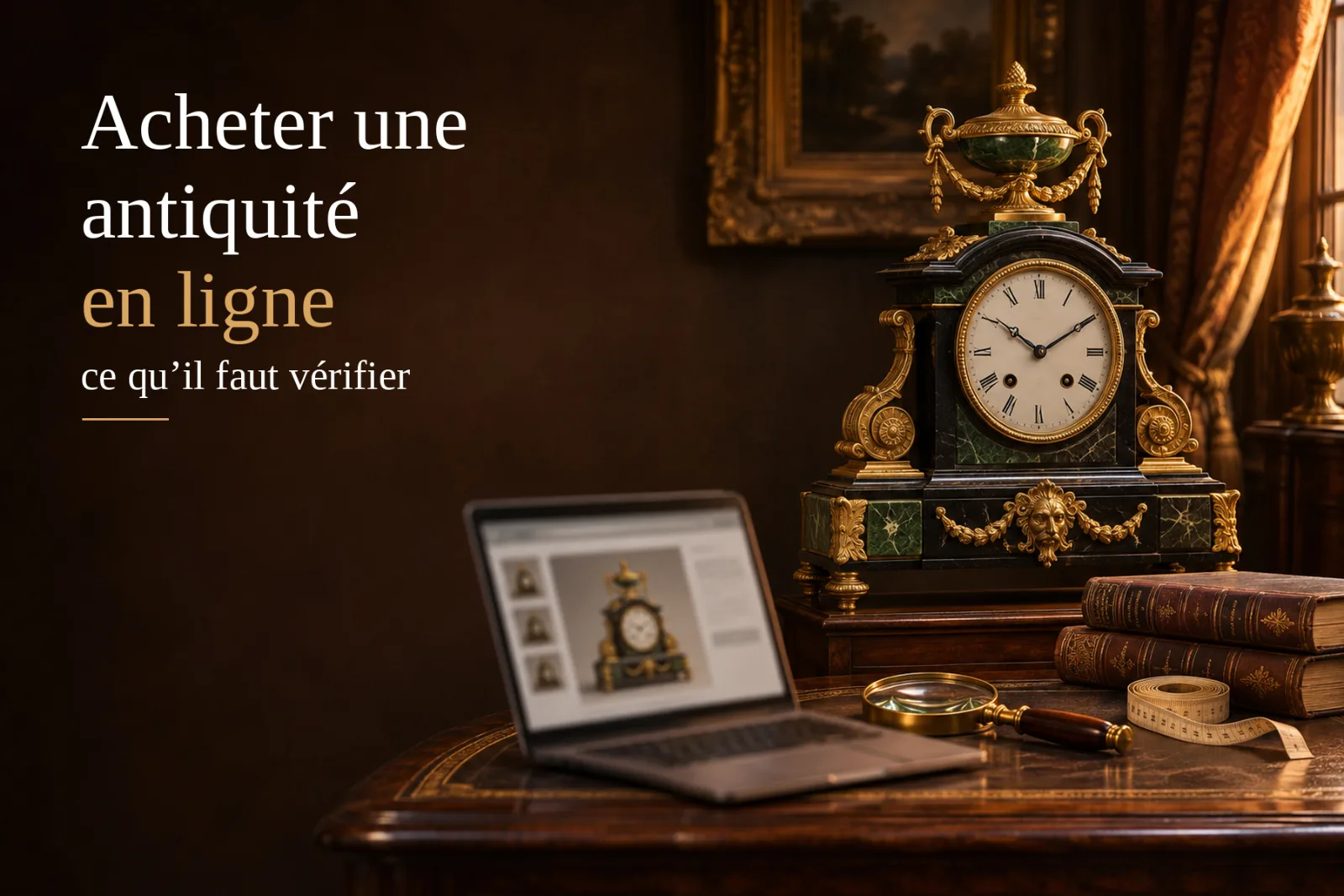 The JournalBuying an antique online: what to checkPhotos, condition, period or style, seller, price, payment, delivery, the right of withdrawal and scams: the checklist before buying an antique online.
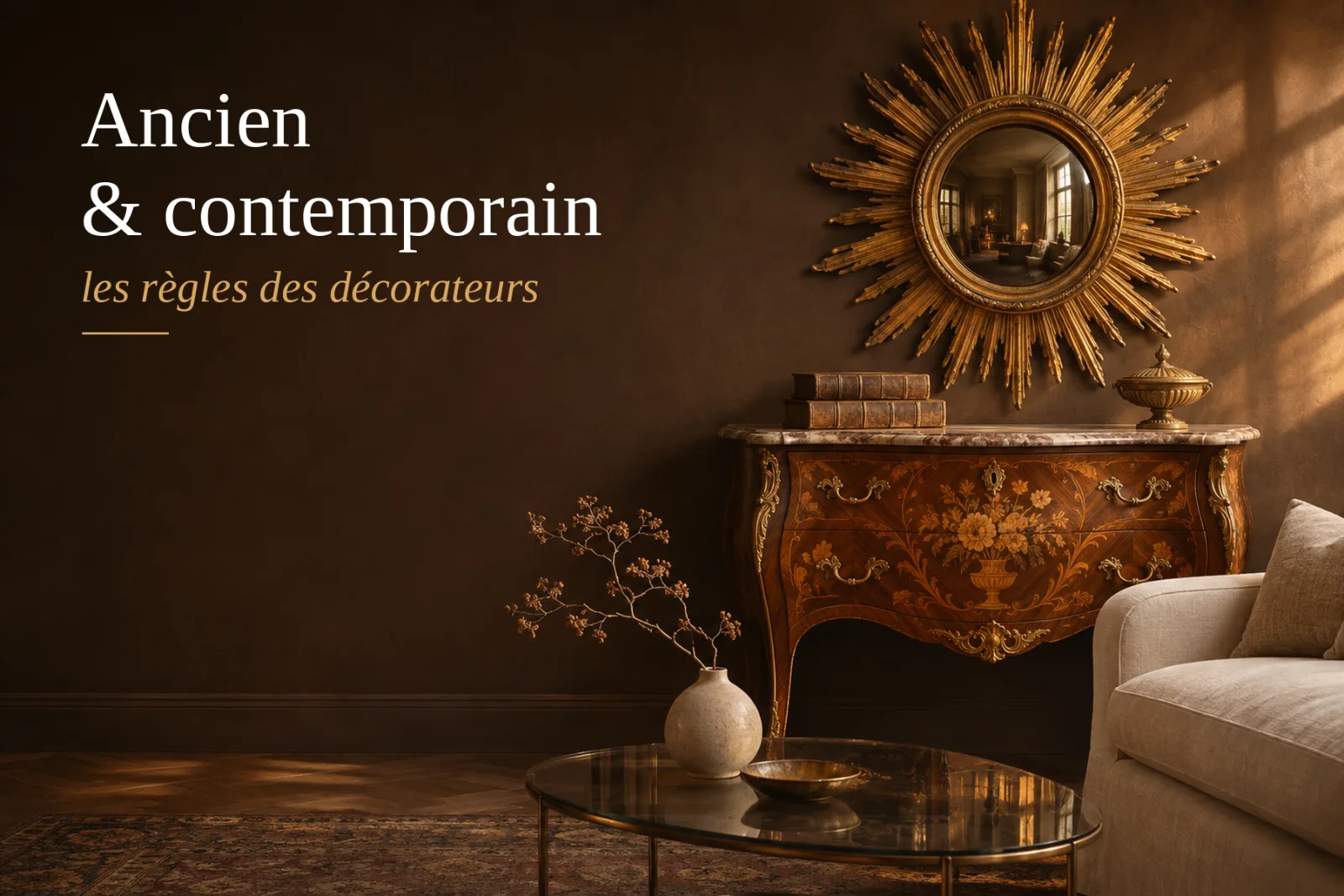 Decorative artsMixing antique and contemporary: the decorators’ rulesOne strong piece per room, the right proportions, contrasting materials, a shared palette and gentle light: how to combine antiques with contemporary design.
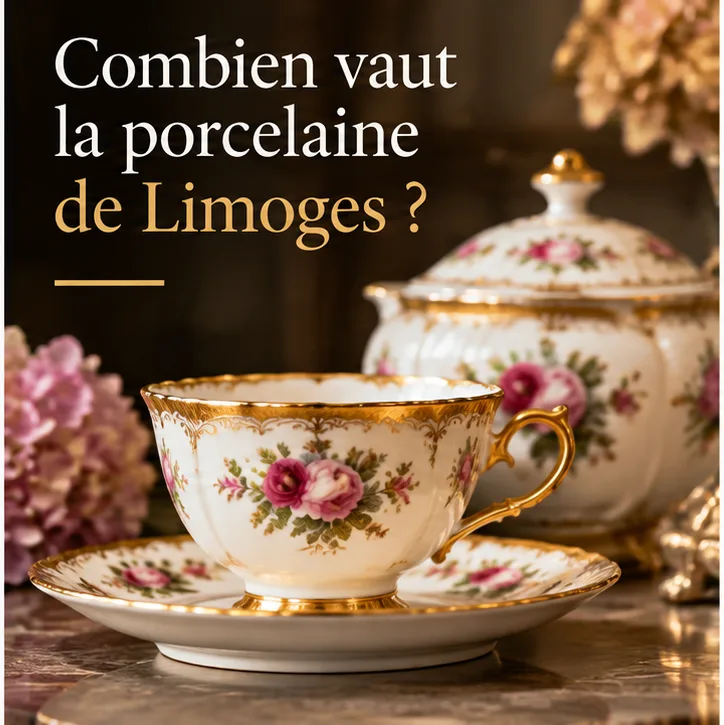 TablewareHow much is Limoges porcelain worth? Value, criteria and appraisalHow much is Limoges porcelain worth? Maker, period, hand-painted or printed decoration, gilding, condition: what drives value, pitfalls, how to get a valuation.
 Glass & crystalGlass with gold and silver leaf inclusions: techniques, history and how to recognise itGlass with gold or silver leaf inclusions: Murano foglia d’oro, Zwischengoldglas, ancient gold glass, aventurine, and how to recognise genuine leaf.
 The JournalHow to sell an antique: valuation, options and pitfalls to avoidHow to sell an antique at the right price: valuation, dealer, consignment or auction, scams to avoid and French tax rules, including the €5,000 exemption.
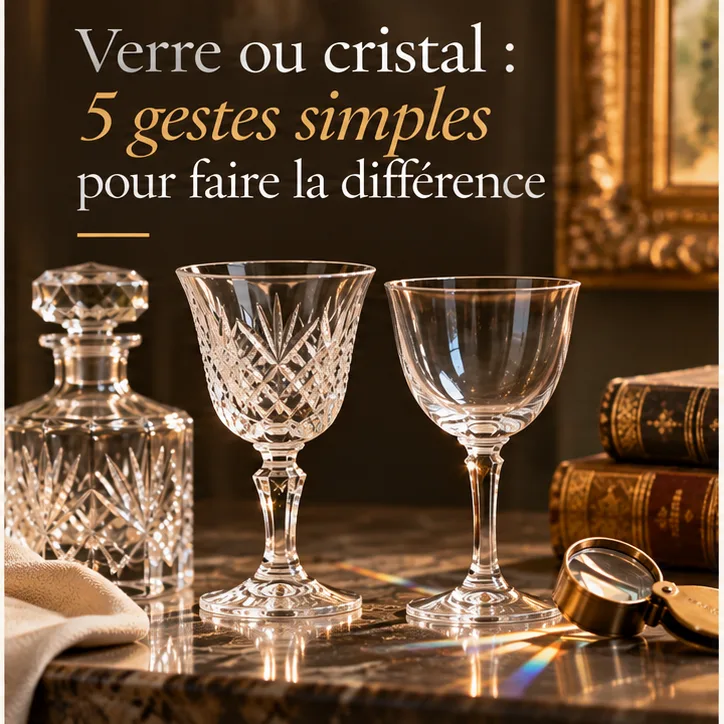 Glass & crystalGlass or crystal? 5 simple ways to tell the differenceTo tell glass from crystal, look for a label, weigh it in your hand, tap it, study the light and try a UV lamp. These are clues: only analysis confirms the lead content, which must be at least 24% for “lead crystal”.
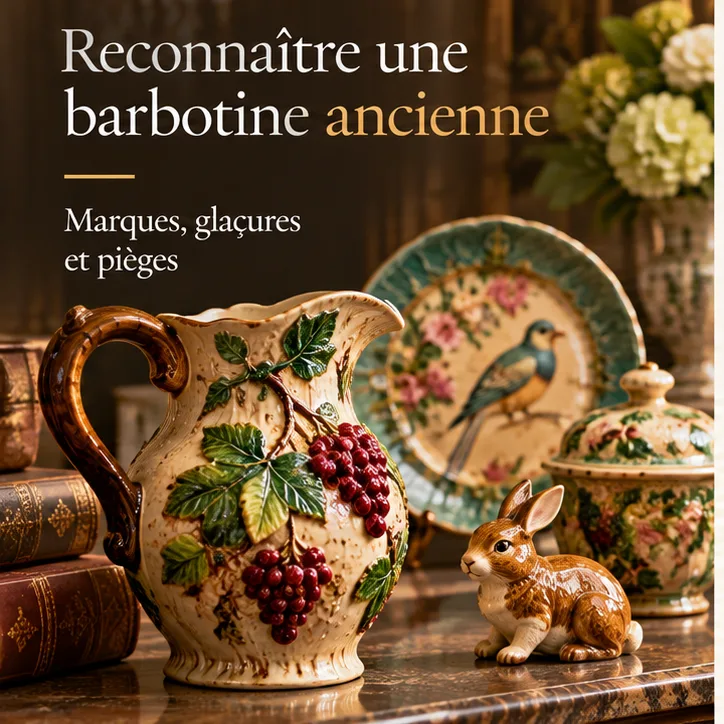 Decorative artsRecognising Antique Barbotine: Marks, Glazes and PitfallsAntique barbotine is recognised by a body of evidence: translucent coloured glazes that bring out the relief, consistent weight and underside, a genuine mark. A mark alone proves nothing: copies, reissues and misleading marks exist.
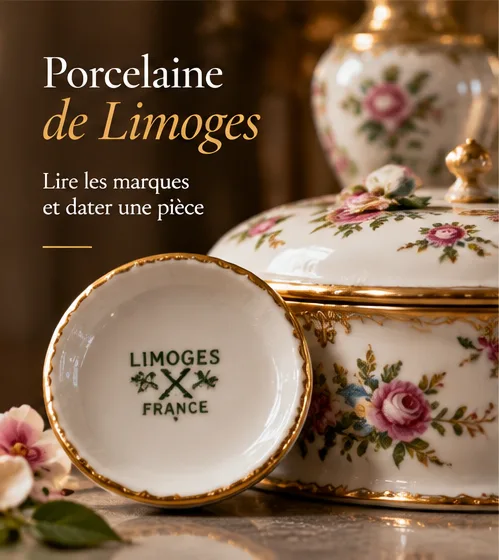 TablewareLimoges porcelain: reading the marks and dating a pieceTo date Limoges porcelain, start with the marks: the green mark under the glaze names the factory that made the white ware, while a mark over the glaze names the decorating workshop. They give a period rather than a year, to be read alongside shape and decoration.
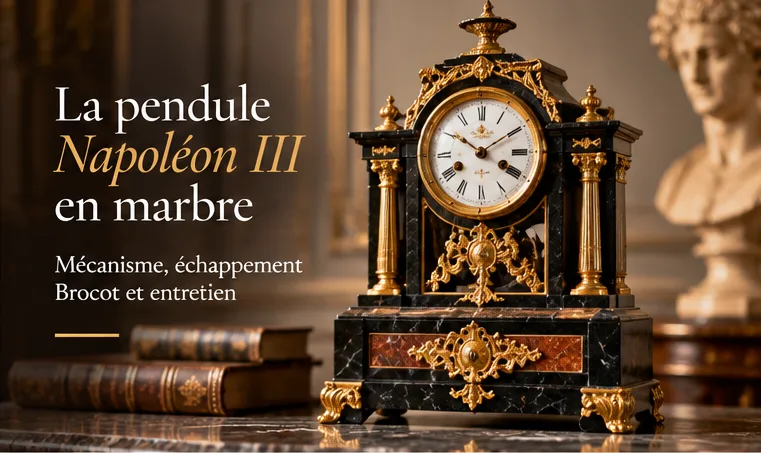 Decorative artsThe Napoleon III Marble Mantel Clock: Movement, Brocot Escapement and CareCaring for an antique clock means winding it regularly and gently, standing it level so that it beats evenly, never turning the hands backwards, and leaving oiling to a clockmaker, with a check roughly every three years.
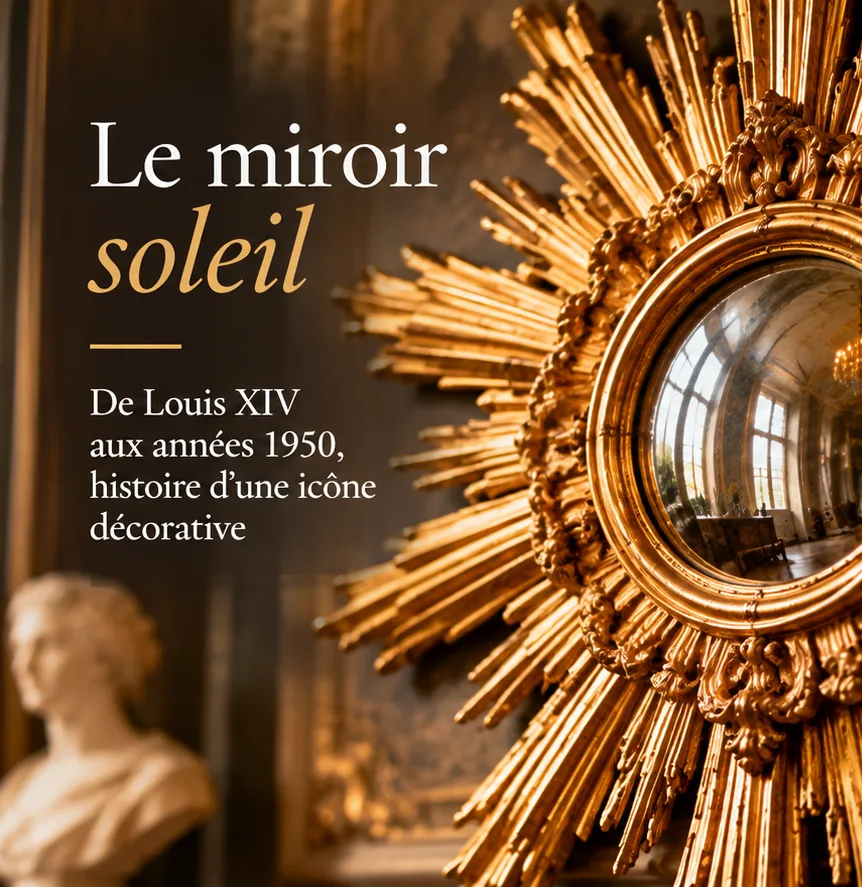 Decorative artsThe sunburst mirror: from the Sun King to Line Vautrin, the story of a decorative iconThe sunburst mirror draws on two traditions: the sun, emblem of Louis XIV, and the convex 'witch's eye' mirror, painted by Van Eyck as early as 1434. In the 20th century it became associated in particular with the French designer Line Vautrin.
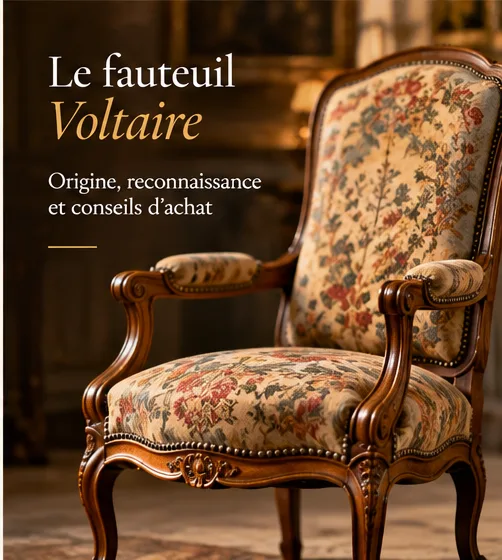 FurnitureThe Voltaire armchair: origins, how to recognise one and buying adviceThe Voltaire armchair has a tall, curved back that tilts slightly backwards above a low, upholstered seat. It appeared in France during the Restoration and spread under Louis-Philippe. The name is posthumous: Voltaire died in 1778.
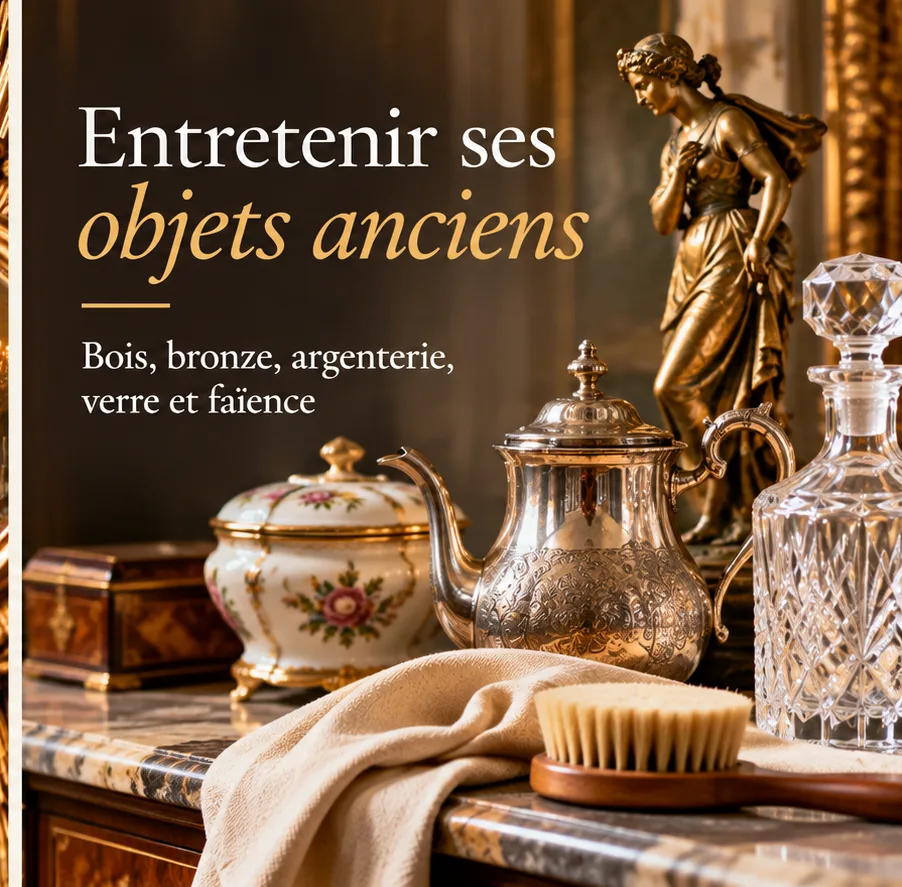 FurnitureCaring for antiques: wood, bronze, silver, glass and faienceTo clean an antique without damaging it, start with dry dusting, test any method on a hidden spot and avoid polishes, household cleaners and the dishwasher. Here, material by material, is what conservators recommend.
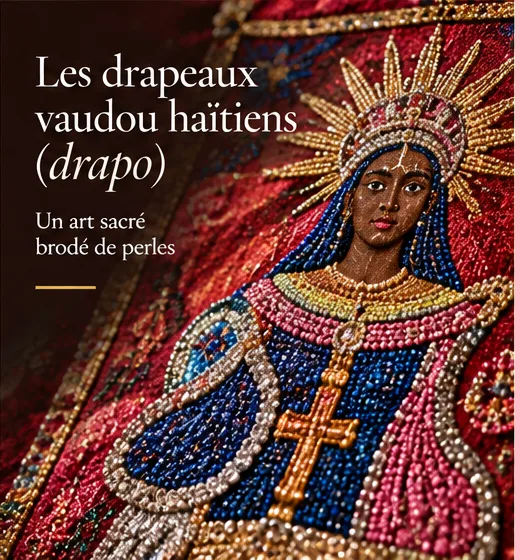 Decorative artsHaitian Vodou flags (drapo): a sacred art embroidered in beadsA Haitian Vodou flag, or drapo, is a ritual banner covered in hand-sewn sequins and beads and dedicated to a spirit (lwa). Presented at the start of ceremonies to honour the spirits, it has also, since the mid-20th century, become an art form held by museums.
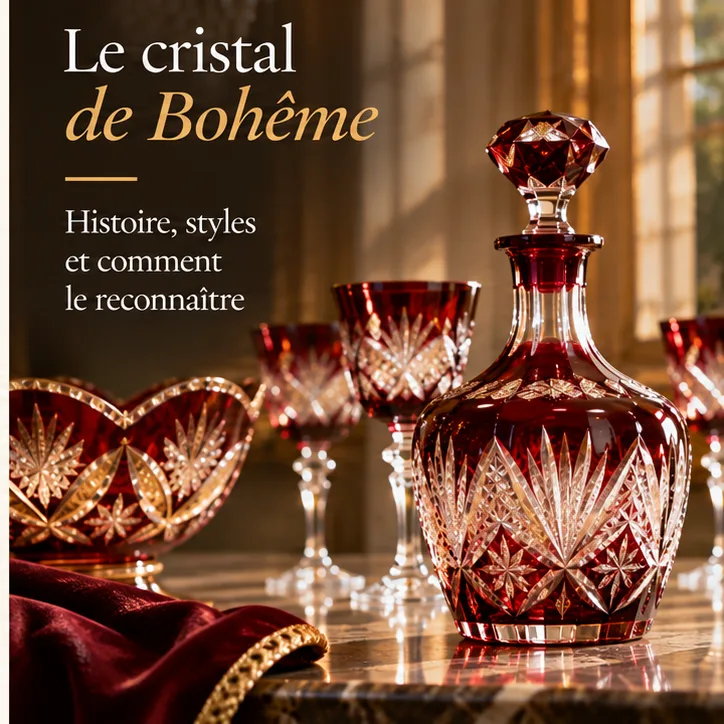 Glass & crystalBohemian crystal: history, styles and how to recognise itWhat is Bohemian crystal? Its history, engraved and coloured styles, and simple tests to tell real Bohemian crystal from ordinary glass
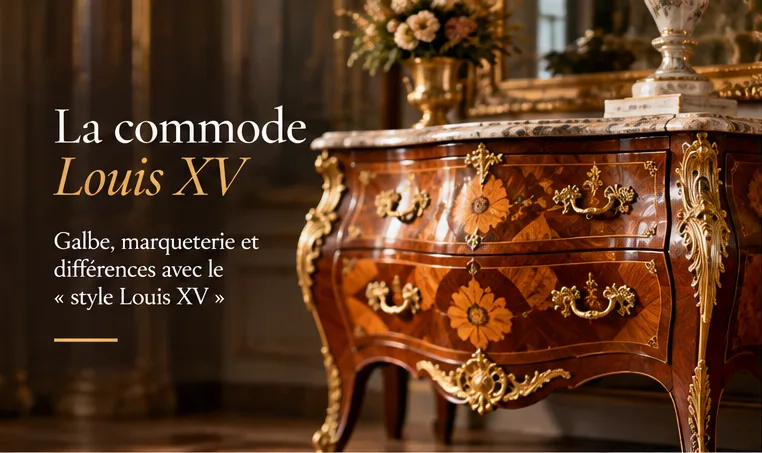 FurnitureThe Louis XV commode: bombé form, marquetry and the difference between period and styleA period Louis XV commode was made in the 18th century; a Louis XV-style commode borrows its forms later, mostly in the 19th and 20th centuries. The silhouette is not enough: carcass, tool marks, screws, mounts, finish and the maker's stamp tell them apart.